

In today’s data-driven business environment, every function must demonstrate its contribution to organizational success—and product marketing is no exception. Yet, measuring product marketing’s impact presents unique challenges. Unlike demand generation with its clear attribution models or customer success with its definitive retention metrics, product marketing influences multiple touchpoints across the
Measuring and Optimizing the Customer Lifetime Value

Measuring and Optimizing the Customer Lifetime Value (CLTV): Understanding the Long-Term Impact of Your Product Marketing Efforts. The Strategic Importance of Customer Lifetime Value in B2B Technology In the competitive landscape of B2B technology, customer acquisition costs continue to rise steadily. According to recent data, acquiring new customers can cost
Market Segmentation Strategy Evaluation Checklist

Use this checklist to evaluate the effectiveness of your market segmentation strategy. Each section addresses critical components of successful segmentation for early-stage technology companies. 🧠 Research & Foundation □ We have conducted comprehensive research to understand our potential market segments. □ We have interviewed at least 15 potential customers across different
Market Segmentation Strategies for Early-Stage Tech Companies

In the high-stakes world of early-stage tech companies, perhaps no strategic decision carries more weight than identifying which market segments to target. With limited resources, nascent brand recognition, and pressure to demonstrate traction, selecting the right initial market segments can mean the difference between explosive growth and premature extinction. Market
Market Segmentation Template for Early-Stage Tech Companies

This comprehensive framework provides a structured approach to developing, evaluating, and implementing market segmentation for early-stage tech companies. Each section includes templates, examples, and practical guidance to help you create an effective segmentation strategy with limited resources. Section 1: Segmentation Hypothesis Development Use this template to document initial segment hypotheses
Leveraging Video Marketing to Showcase Your Tech Product

Leveraging Video Marketing to Showcase Your Tech Product: Different Types of Product Videos and Their Impact. Video has emerged as the dominant medium for product marketing. According to recent research from Wyzowl, 91% of businesses now use video as a marketing tool, with 87% of video marketers reporting a positive
Leveraging In-App Messaging and Onboarding for User Engagement
Leveraging In-App Messaging and Onboarding for User Engagement: Guiding New Users and Maximizing Product Value. In the competitive landscape of B2B technology, user engagement is the lifeblood of sustainable growth. While acquiring new customers requires significant investment, the true return on that investment materializes only when users actively engage with
Implementing Customer Feedback Loops for Continuous Product Evolution

Why Customer Feedback Matters in B2B Tech In B2B technology markets, the difference between market leaders and failed startups often comes down to how well they understand and respond to customer needs. While product innovation remains crucial, the most successful companies have mastered something equally important: implementing effective customer feedback
Identifying and Leveraging Product Advocates

Identifying and Leveraging Product Advocates: Turning Satisfied Customers into Marketing Assets. The Power of Customer Advocacy in B2B Tech In the B2B technology landscape, traditional marketing approaches are increasingly losing effectiveness. Today’s business buyers are skeptical of vendor claims, with studies showing that only 34% trust the marketing content they
Developing Product Marketing Strategies for Different Market Segments

Developing Product Marketing Strategies for Different Market Segments: Tailoring Your Approach to Specific Customer Groups. The Strategic Imperative of Segmentation in B2B Technology In today’s complex B2B technology landscape, the “one-size-fits-all” approach to product marketing has become increasingly ineffective. Technology buyers expect solutions tailored to their specific challenges, industries, and
Developing Effective Product Marketing Content Across Different Stages

Developing Effective Product Marketing Content Across Different Stages: Tailoring Content to the Buyer’s Journey. Generic marketing messages no longer suffice. Enterprise buyers navigate lengthy, multi-stakeholder purchasing processes that demand specialized content at each stage of their journey. For technology startups competing against established players, understanding how to develop stage-appropriate content
Developing Effective Positioning for Tech Disruptors

This guide provides a systematic approach to creating powerful product positioning for disruptive technology products. Follow these steps to develop positioning that clearly communicates your value and differentiates your offering in competitive markets. Step 1: Conduct Comprehensive Market Research (2-3 Weeks) Actions: Analyze existing solutions: Identify all direct and indirect
Product Marketing Cross-Functional Alignment Workshop
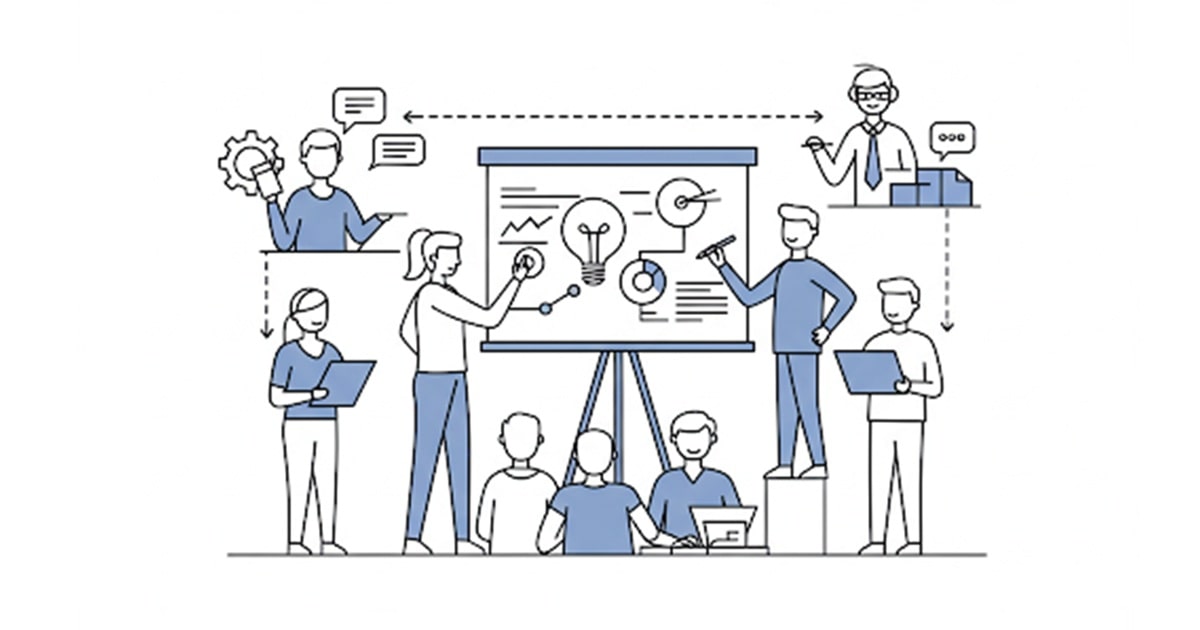
Here is a structured approach to facilitate alignment between product, marketing, and sales teams. Designed to be conducted quarterly or before major product launches, this workshop creates shared understanding, establishes clear roles and responsibilities, and builds stronger cross-functional relationships. Workshop Overview Purpose: To align product, marketing, and sales teams around common
Cross-selling and Upselling Strategies for Existing Product Users
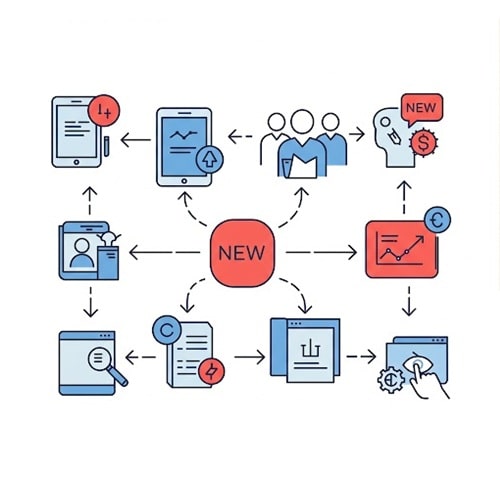
Cross-selling and Upselling Strategies for Existing Product Users: Expanding Customer Value and Revenue. The Untapped Growth Opportunity Within Your Existing Customer Base In the quest for growth, B2B technology startups often fixate on acquiring new customers—a costly, resource-intensive process that becomes increasingly challenging as markets mature and competition intensifies. Meanwhile,
Creating High-Converting Product Demo Scripts
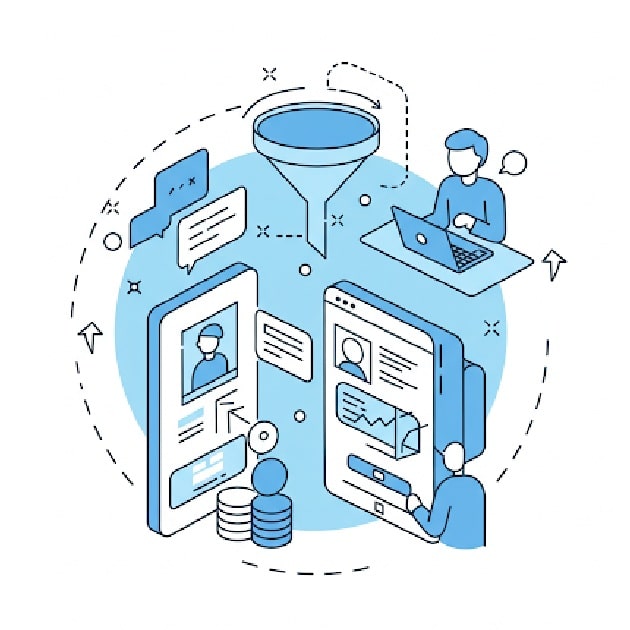
Creating High-Converting Product Demo Scripts: Tips for Showcasing Product Value and Driving Action. In the competitive landscape of B2B technology, your product demo can make or break a potential sale. According to Gartner, 43% of enterprise buyers cite product demonstration as the most influential factor in their purchase decision. Yet
Creating Engaging Product Webinars and Virtual Events

Creating Engaging Product Webinars and Virtual Events: Strategies for Attracting and Converting Attendees. Webinars and virtual events have emerged as critical components of an effective product marketing strategy. According to recent research, 64% of B2B marketers have hosted webinars or virtual events in the past year, with 51% reporting that
Assessing and Improving Cross-Functional Collaboration for Product Marketers
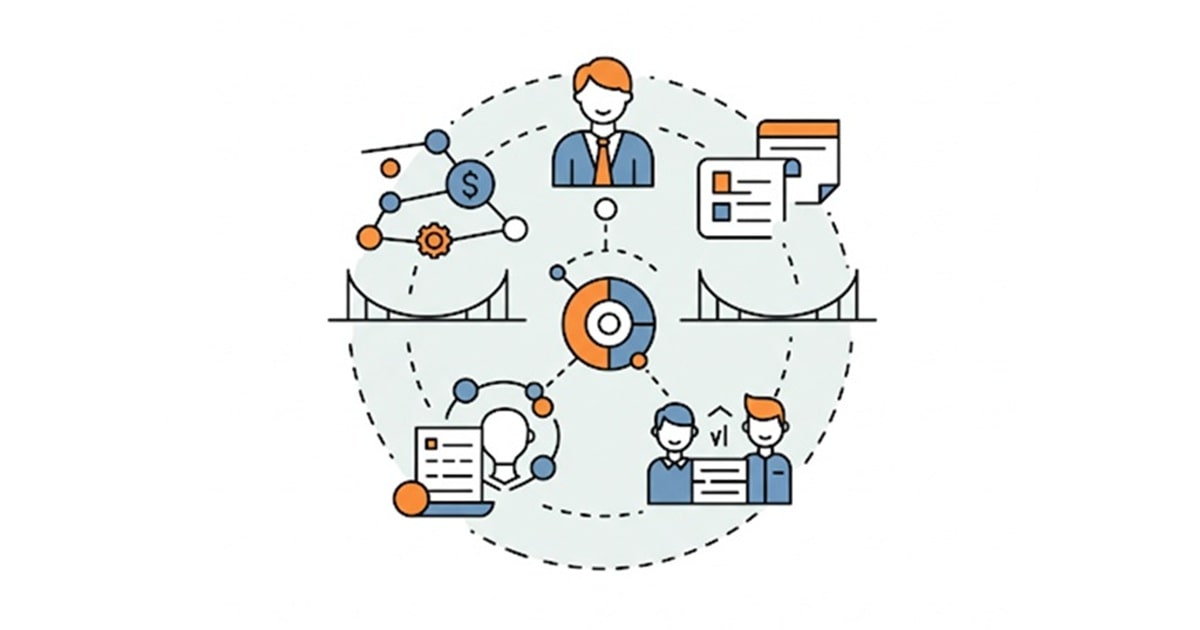
Use this comprehensive checklist to evaluate the current state of collaboration between your product marketing, product, and sales teams. Rate each item on a scale of 1-5, where: 1 = Not happening at all 2 = Happening inconsistently 3 = Happening regularly but with room for improvement 4 = Working
Checklist for the First 90 Days as a Product Marketing Leader

Use this detailed checklist to navigate your critical first 90 days as a product marketing leader at a tech startup. Check off each item as you complete it to ensure you’re building a strong foundation for long-term success. Pre-Start Preparation Company Research Study the company website, blog, and social media
Building Pre-Launch Hype

Building Pre-Launch Hype: The Strategic Guide to Generating Anticipation for Your Tech Innovation. A successful product launch begins long before the actual release date. The most successful tech companies understand that building anticipation through strategic pre-launch activities can amplify launch impact, accelerate initial adoption, and create valuable momentum. Here is
Building Effective Collaboration Between Product Marketing, Product, and Sales Teams
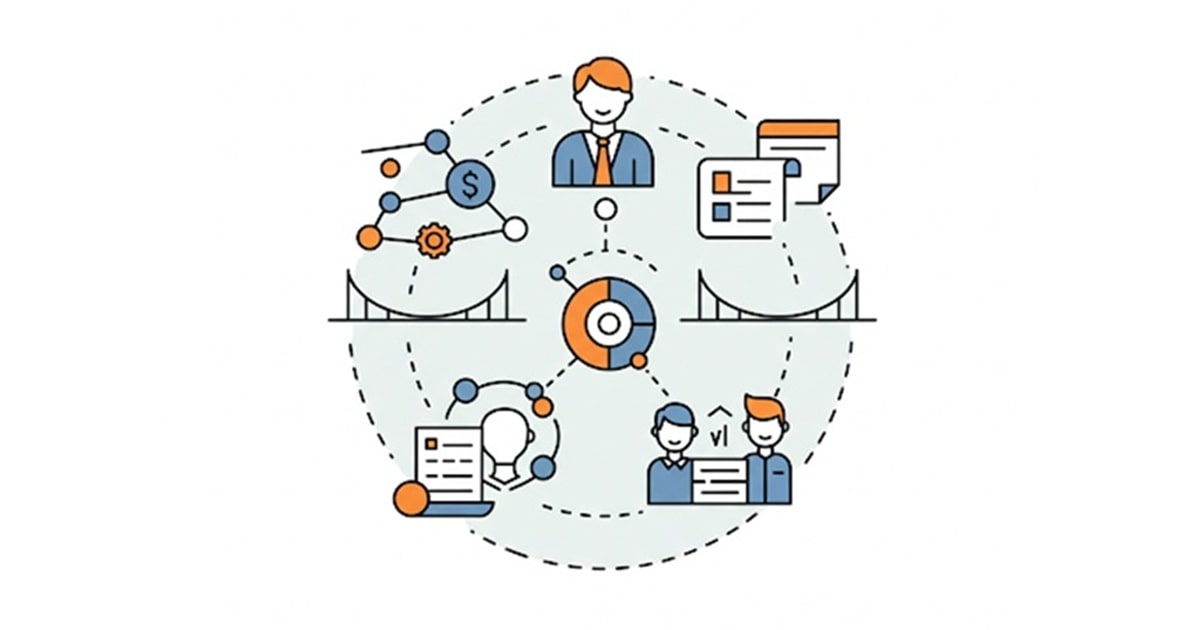
Effective collaboration between product marketing, product development, and sales teams doesn’t happen by accident. It requires intentional process design, clear communication channels, and ongoing commitment from all stakeholders. Here is a systematic approach to developing and maintaining these crucial cross-functional relationships. Phase 1: Assess Current Alignment (Weeks 1-2) Step 1: